
Freight Forwarding for SMEs
Growing an SME into international markets — or sourcing stock from abroad — means facing the same freight complexity as a large importer, without the volume to negotiate the same rates or the in-house expertise to navigate it alone. Finding freight forwarders willing to prioritise a smaller account is often the first hurdle SMEs run into.
The Problem Most SMEs Run Into
Large freight forwarders are often structured around high-volume accounts, leaving smaller shippers with slower response times, less favourable rates, and forwarders who assume a level of shipping knowledge a first-time importer or exporter simply doesn't have yet.
Why Smaller Accounts Get Deprioritised
Freight forwarders working with large accounts naturally allocate attention where the volume is, which means a smaller SME shipment can end up at the back of the queue when capacity is tight or something needs urgent attention.
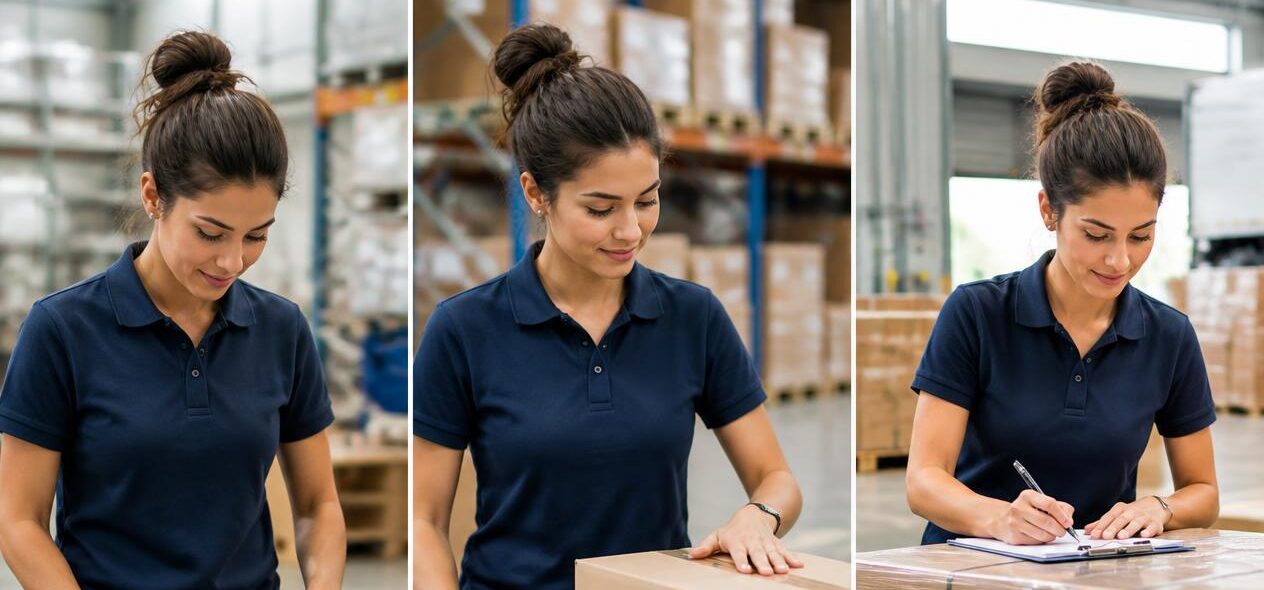
How We Support SMEs
Plain-Language Guidance for First-Time Shippers
A full explanation of the process for businesses shipping internationally for the first time, so nothing is assumed and nothing gets missed because it wasn't explained clearly upfront.
Rate Quotes Without Volume Penalties (
Competitive pricing that doesn't punish smaller shipment sizes, structured so an SME isn't paying a proportionally higher rate simply for shipping less than a large importer.
A Service That Scales With Your Business
Service that grows with your shipment frequency and volume, so the relationship you start with as a small shipper doesn't need to be rebuilt with a different forwarder once you scale up.
Direct Communication, Not a Call Centre Queue
A consistent point of contact rather than a call centre queue, so questions get answered by someone who already knows your shipment history.

Common First-Time Shipper Mistakes We Help You Avoid
Underestimating total landed cost — duties, VAT, port charges, and clearing fees stacked on top of freight cost — missing documentation that delays release at port, and choosing the wrong freight mode for the shipment's urgency and value are the three mistakes we see most often among businesses shipping for the first time.
Growing From Occasional Shipper to Regular Trader
Many SMEs start with occasional, opportunistic shipments — a single order from a new supplier, a trial export to test a new market — before shipping becomes a regular part of the business. Our freight forwarders are built to support that entire journey, not just the first shipment. As frequency increases, so does the value of an established relationship: rates improve, documentation turnaround speeds up, and fewer questions need re-explaining each time.
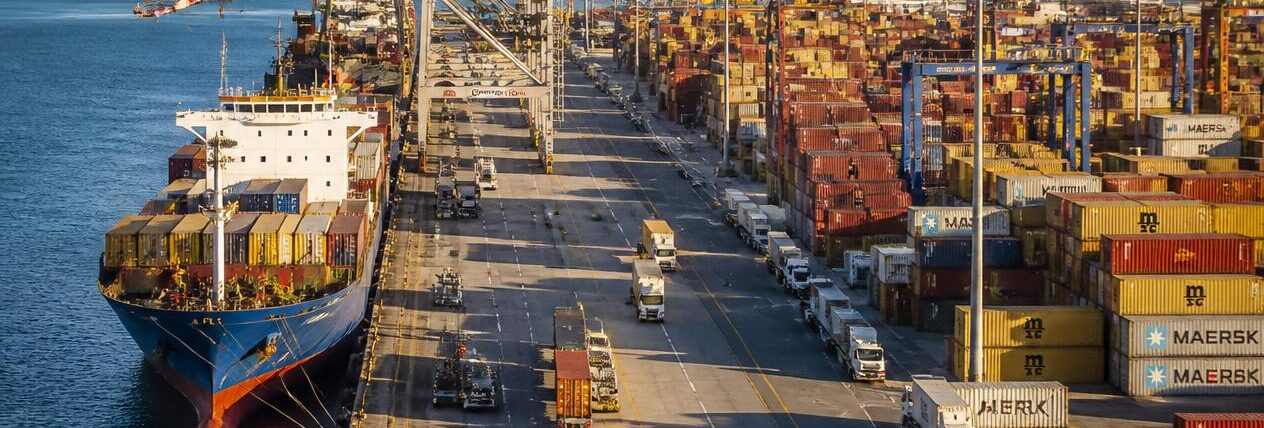
Signs Your SME Is Ready to Scale Freight Volume
Regular repeat orders from the same supplier or market, growing confidence in landed cost estimates, and increasing frequency of shipments are all signs it may be time to move from ad hoc LCL bookings to a more structured, higher-volume freight forwarding arrangement — something we flag proactively rather than waiting for you to ask. This transition doesn't require switching freight forwarders once your business outgrows small-shipper status; it simply means the same relationship adapts to your new volume.
Shipping internationally for the first time, or scaling up?
Get a freight quote and a clear breakdown of what it actually costs to land your goods.