
Freight Forwarding for Growing Businesses
Scaling a business is hard enough without also having to rebuild your freight arrangement every time your shipment volume steps up a level. Growing businesses need freight forwarders who can move with them — from an occasional container to regular weekly volume — without forcing a switch to a different provider, a different account tier, or a different level of attention every time growth changes what's needed.
The Problem With Outgrowing Your Freight Forwarder
Being Too Big for a Small-Shipper Service
Some freight forwarders are built around occasional, small-volume shippers and simply don't have the infrastructure to support a business that's started shipping weekly or monthly at growing volumes — service quality that worked at low volume starts to strain once demand increases.
Being Too Small for a High-Volume Account
At the other end, forwarders built around major accounts often deprioritise a growing business that hasn't yet reached their minimum volume threshold, leaving you underserved exactly when consistent service matters most.
Losing Institutional Knowledge With Every Switch
Every time a growing business switches freight forwarders to find a better fit, the new provider starts from zero — no shipment history, no established documentation templates, no understanding of your specific product categories or typical routes.

How We Support Growing Businesses
A Service Built to Scale With You As You Grow
We don't have a separate tier for "big enough" clients — the same team and the same attention that handled your first shipment stays with you as volume increases, adjusting the level of coordination to match, rather than handing you off to a different desk once you cross a volume threshold.
Proactive Guidance on When to Change Your Approach
As volume grows, the right freight strategy often changes — moving from LCL to FCL, adding a second mode of transport, or considering a standing rate agreement instead of quote-by-quote booking. We flag these shifts proactively based on your actual shipment pattern, rather than waiting for you to notice the old approach no longer fits.
Retained Shipment History and Documentation
Every shipment we handle for a growing business builds on the last — tariff classifications, standard documentation, and typical duty treatment stay on file, so scaling up doesn't mean re-explaining your business from scratch with each new booking.
Signs Your Business Has Outgrown Its Current Freight Arrangement
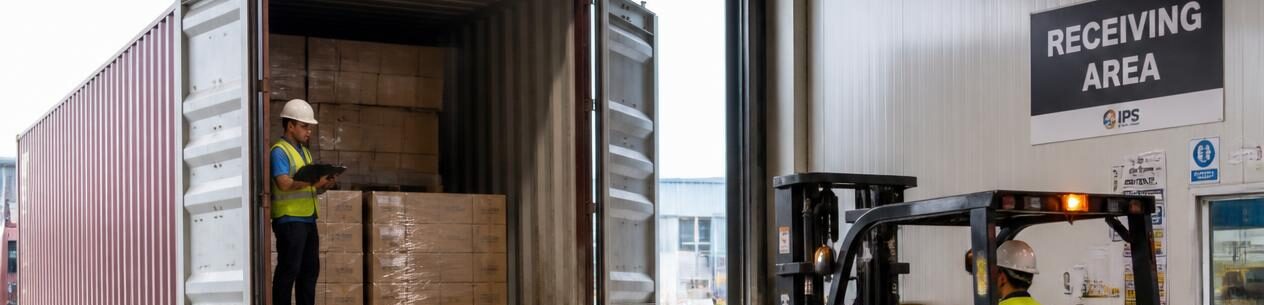
Increasingly frequent shipments that used to be occasional; a freight forwarder who's slower to respond now that your volume has grown past what they typically handle; or rates that haven't improved despite your shipment volume increasing significantly. Any of these is a sign it's worth reassessing whether your current freight arrangement still fits — before growth outpaces the service supporting it.
What Growing Businesses Should Expect From Their Freight Forwarder
Consistent points of contact who already know your shipment history, rates that reflect your actual current volume rather than your volume from a year ago, and proactive suggestions on how to structure freight more efficiently as your needs change.
Planning Freight Around Your Growth Trajectory
Growth rarely happens in a straight line — a business might jump from monthly to weekly shipments over a single quarter, then plateau for a while before the next step up. A freight forwarder who only reacts to volume after it's already changed is always a step behind. We check in periodically on shipment patterns specifically to catch that inflection point early, so your freight arrangement adjusts ahead of the growth rather than scrambling to catch up once it's already strained the existing setup.
Freight Forwarding as Part of a Broader Growth Conversation
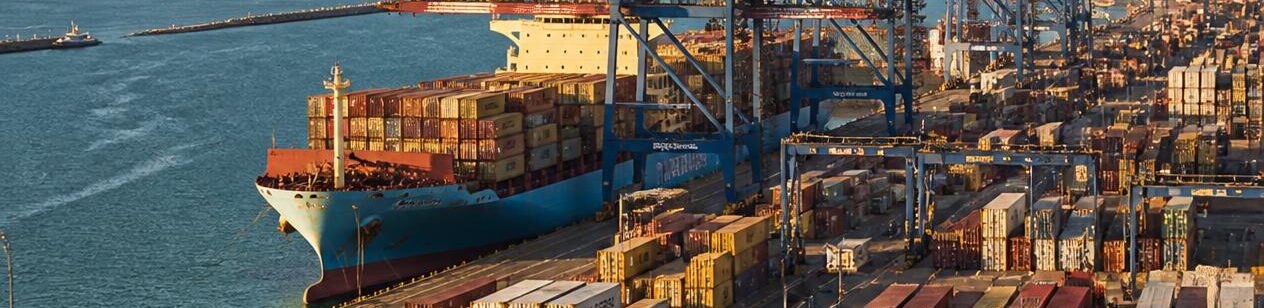
For many growing businesses, freight decisions are tied to bigger questions — a new supplier relationship, entry into a new market, or a decision to hold more stock locally instead of ordering smaller batches more often. We're happy to be part of that broader conversation rather than only weighing in once a shipment is already booked, since freight strategy works best when it's planned alongside the growth decisions driving it.
Scaling up your shipment volume?
Get a freight forwarder who can grow with your business instead of one you'll outgrow.